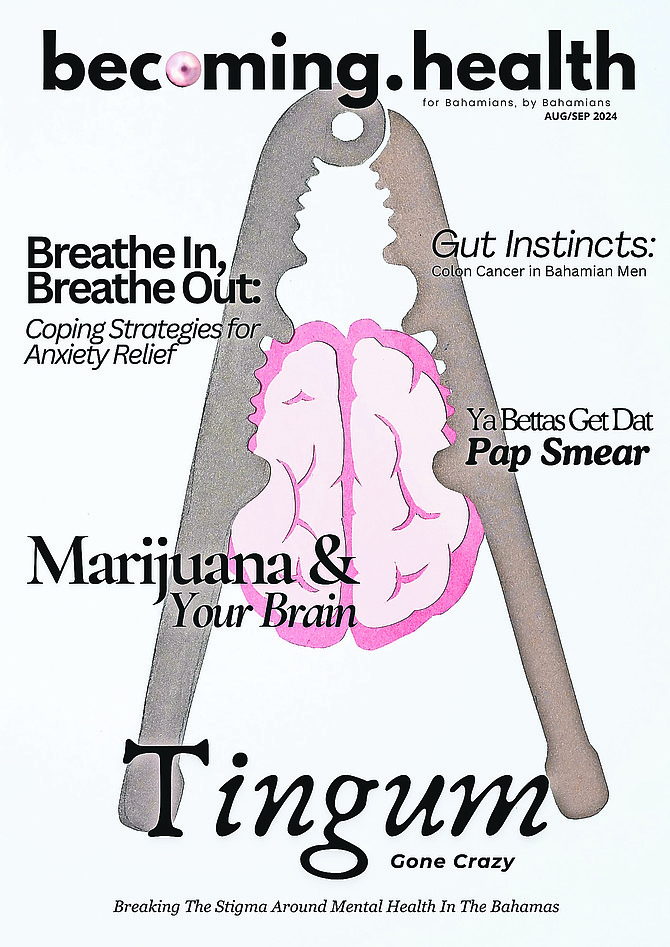
Becoming Health wellness publication by Dr Lashante Stubbs
By ALESHA CADET
Tribune Features Reporter
acadet@tribunemedia.net
FOR many people, improving their health can feel overwhelming. Between social media advice, internet trends and conflicting information, knowing where to begin is often half the battle.
That reality is what inspired physician Dr Lashanté Stubbs to create Becoming Health, a wellness publication designed to make health information more understandable, practical and relevant to Bahamians.
An Eleuthera native, Dr Stubbs has built her career around helping people make informed decisions about their wellbeing. While working with patients, she noticed that many health challenges stemmed not only from illness itself, but from confusion and misinformation.
"I’m an Eleuthera native and physician who is deeply passionate about wellness, health literacy, and health advocacy," said Dr Stubbs.
The publication is part of the wider Becoming Magazine brand and focuses on translating complex health topics into language readers can easily apply to their everyday lives.
Through her interactions with patients, The Bahamian woman said she has repeatedly encountered misconceptions that prevent people from taking control of their health.
"One of the biggest misconceptions is that living a healthy lifestyle is difficult or unattainable," she said.
She noted that confusion can also arise when people struggle to navigate the relationship between traditional remedies and modern healthcare. At the same time, many individuals rely on information gathered through social media, word of mouth and online videos, which may not always be accurate or relevant to the Bahamian context.
"I think there is room for both cultural traditions and evidence-based medicine, but it’s important that people have access to accurate, easy-to-understand information so they can make safe and informed choices about their health," said Dr Stubbs.
A key priority for the physician has been ensuring that the publication reflects the realities of Bahamian life. Rather than promoting wellness through a one-size-fits-all lens, she wanted readers to recognise their own culture, food and experiences within the content.
"It was extremely important to me because there’s a common misconception that anything Bahamian is automatically unhealthy, and that simply isn’t true," Dr Stubbs said.
For example, she said, people often associate conch only with high cholesterol while overlooking its nutritional benefits. Dr Stubbs said there is also very little health literacy material that speaks directly to Bahamian and Caribbean culture, lifestyles, and eating habits.
The magazine regularly explores healthier approaches to local dishes and offers practical guidance that readers can realistically incorporate into their routines.
That commitment to cultural relevance extends to the way medical information is presented.
"I always say that the average Bahamian doesn’t speak 'medicine', so I have to speak Bahamian to Bahamians," she said.
For Dr Stubbs, some of the most meaningful moments have come from hearing directly from readers who have gained confidence in managing their health.
"One of the most rewarding things has been hearing patients say that after reading about how their medications work, they felt more comfortable and confident taking them," she said.
The publication has also helped challenge assumptions surrounding local foods. Dr Stubbs recalled receiving feedback from readers who were surprised to learn about the nutritional value of foods they had previously dismissed.
"I remember one reader specifically mentioning that they thought conch was terrible for health until reading one of our articles that highlighted its nutritional benefits. “Moments like that remind me why this work matters,” she said.
As the conversation around wellness continues to evolve, Dr Stubbs is placing increasing focus on another issue affecting many Bahamian women: burnout.
Drawing from both personal and professional experience, she believes the pressures facing modern women deserve greater attention.
"As a physician and career woman, I’ve personally experienced burnout and have also seen the toll it takes on colleagues, friends, and patients," said Dr Stubbs.
She explained that the demands of careers, family responsibilities, caregiving and relationships often leave women carrying a significant emotional and physical burden. Yet despite the serious health consequences linked to chronic stress, burnout is frequently accepted as a normal part of life.
"Supporting women’s wellness is important to me because burnout is not something we should simply accept as part of everyday life," she said. "It’s a growing public health issue that deserves more attention, education, and support."
Moving forward, Dr Stubbs hopes Becoming Health will continue to expand its reach while serving as a trusted resource for Bahamians seeking to improve their wellbeing.
"Ultimately, I would love for Becoming Health to become a trusted tool that makes beginning a healthier lifestyle feel realistic and achievable for Bahamians," she said.
Future plans include wellness events, collaborations with schools and workplaces, and community-based initiatives aimed at improving health outcomes throughout the country.
"The STEPS survey consistently highlights alarming rates of noncommunicable diseases in The Bahamas, and I want to play whatever role I can in helping improve those outcomes. Even small shifts in health literacy and lifestyle habits can create meaningful long-term change for our communities,” said Dr Stubbs.
Readers interested in learning more can visit Becoming Health Magazine, where the publication is available online at www.becominghealthmag.org




Comments
Use the comment form below to begin a discussion about this content.
Sign in to comment
OpenID