By RASHAD ROLLE
Tribune News Editor
rrolle@tribunemedia.net
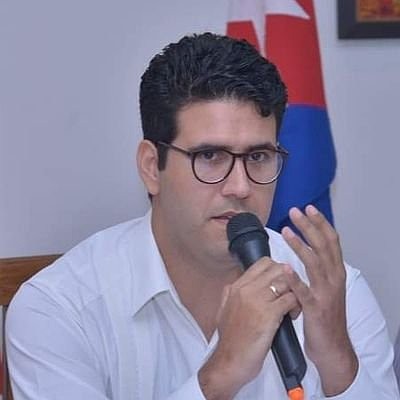
UNITED States policies have plunged Cuba into severe fuel shortages, prolonged blackouts and widespread disruption to daily life, the country’s ambassador to The Bahamas told The Tribune yesterday, arguing that the impact is being felt across every sector of society.
The country’s healthcare system has been particularly strained, said Juan Carlos Marcof Sánchez, with tens of thousands of patients waiting for surgeries that cannot be performed due to electricity shortages, including a significant number of children.
He said a January 29 executive order signed by US President Donald Trump has intensified a decades-long blockade and further restricted Cuba’s access to oil.
The measure, which declares a “national emergency” and allows for tariffs on countries supplying fuel to Cuba, is part of a strategy aimed at cutting off vital energy imports, he said.
According to Mr Marcof Sánchez, the effects are already severe. He said Cuba has gone more than three months without fuel shipments, leaving the country operating under “very adverse conditions” that affect the entire population.
He said the energy crisis has led to prolonged power outages, with some communities experiencing blackouts lasting more than 30 hours. These outages, he said, disrupt water supply systems, halt production and affect essential services across the country.
Communications are also affected when radio base stations lose power, he said, while medical services, education and transportation systems struggle to function normally.
He said the situation has caused widespread distress among residents as daily life becomes increasingly difficult.
Despite this, Mr Marcof Sánchez, said Cuba continues to function, pointing to ongoing school attendance, hospital care and the maintenance of essential services as evidence of resilience.
He said the government is actively managing the crisis, including overseeing food production, transportation for healthcare workers and other key services.
Mr Marcof Sánchez said Cuba has also expanded domestic oil production in recent months and exceeded early-year targets, reversing a decline seen in 2025. However, he stressed that domestic output is not sufficient, noting that the country produces only about 30 percent of the petroleum it needs and must import the rest.
He accused the United States of escalating pressure not only on Cuba but also on third countries by attempting to dictate who they can trade with, calling the approach coercive.
He also dismissed US claims that Cuba poses a national security threat, saying such assertions are unfounded.
At the same time, Mr Marcof Sánchez pointed to recent talks between Cuban and US officials, as outlined by Cuban President Miguel Díaz-Canel, aimed at addressing bilateral differences and identifying areas for cooperation.
He said Cuba has also received support from governments and organisations in Latin America, the Caribbean, Europe and elsewhere, including assistance with food, medical supplies and energy.
Mr Marcof Sánchez said that support reflects broader opposition to US policy and underscores Cuba’s ability to endure the current challenges.
Yesterday, the US Embassy in Nassau referred The Tribune to comments US Secretary of State Marco Rubio made on Tuesday at the White House.
“The bottom line is their economy doesn’t work,” Mr Rubio said. “That thing they have has survived on subsidies from the Soviet Union and now from Venezuela. They don’t get subsidies anymore, so they’re in a lot of trouble, and the people in charge, they don’t know how to fix it, so they have to get new people in charge.”




Comments
Use the comment form below to begin a discussion about this content.
Sign in to comment
OpenID